


Residential Proxies?
$0.49 /GB
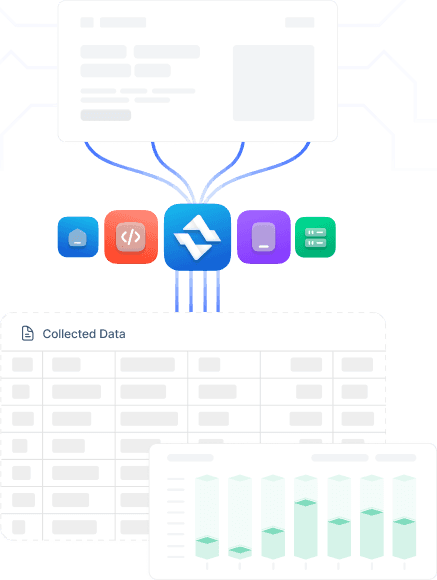
Collect structured web data at scale with Evomi’s ethically sourced proxy network — fast, reliable access to public data.
Trusted by data teams worldwide


Our Products
The perfect fit for companies large and small


Locations
Available in 150+ Countries
We provide you access to a global network of ethically sourced proxy nodes from around the world.



Committed to ethical proxy sourcing from the start
As part of the EWDCI, we place significant emphasis on ethics and compliance, aiming to establish a secure marketplace for both proxy users and those offering their IPs for proxy utilization. Our extensive network, in conjunction with our associate applications, are strictly regulated.
Read about EthicsCertified, audited & awarded
At Evomi, ethics and compliance are non-negotiable. We hold ourselves and every upstream partner to the highest industry standards, building a safe, transparent marketplace for both the businesses that rely on our proxies and the people who choose to share their IPs.
Certifications
 EWDCI Member
 SOC 2 Type II
 ISO 27001
Awards & Recognition
 Best Value Provider
 Caproxy Rated
 Proxyway Rated
 G2 Rated
Features
Why choose Evomi?
Evomi has been built from the ground up by a team of proxy experts with over 6 years of experience, to deliver the quality, performance and security that is expected by industry leaders.
Guaranteed Low Latency
Optimized routing keeps round-trips consistently short, wherever your targets are.


Global Presence
Points of presence on every continent put an exit node close to every audience.

99.9% Uptime
Dedicated Support
Welcome to Evomi, how may we help you today?
Swiss Quality and Privacy

Integration
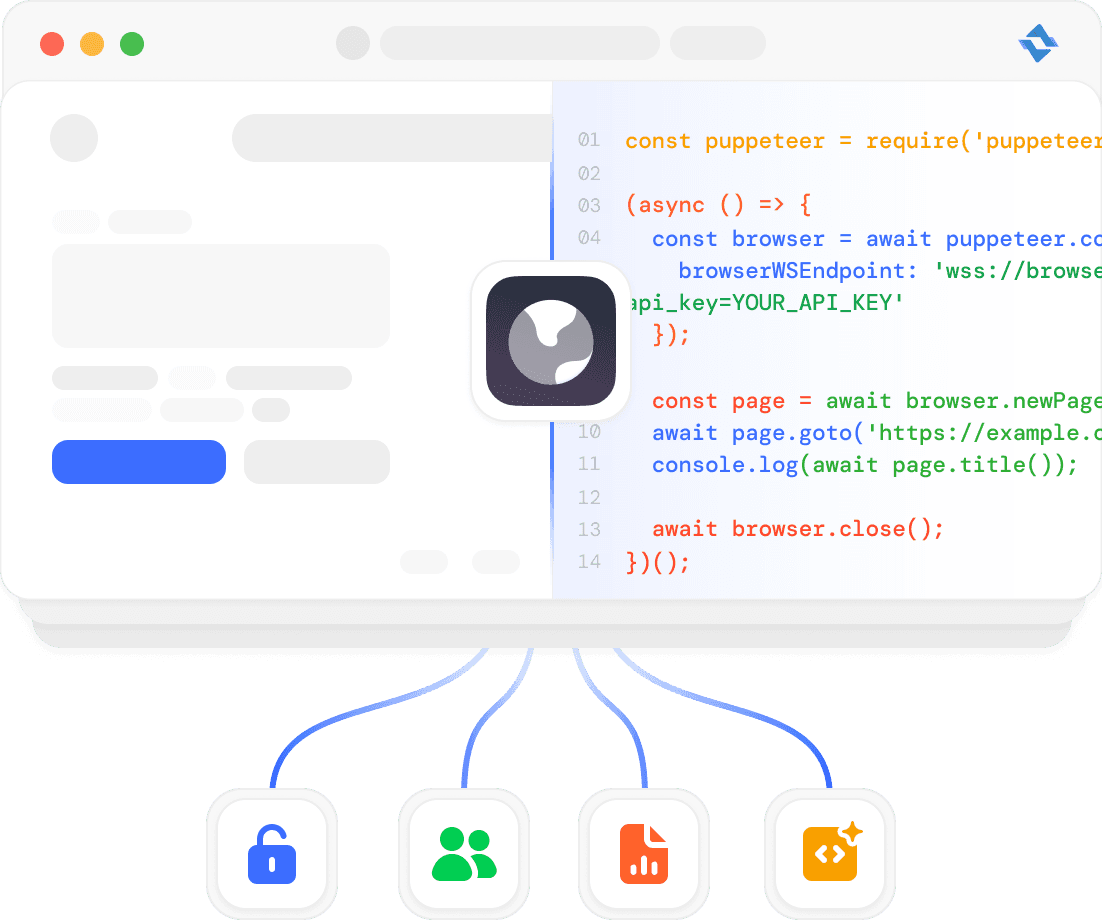
Integrate into your Application
- Endpoint generator
- Developer-friendly documentation
- Integration with third-party software
- Single Port for all Requests
curl -x rp.evomi.com:1000 -U "customer-USER:PASS" \
https://ip.evomi.com/sDriving it from an AI assistant instead? The same credentials work over MCP.
Use Cases
Let Evomi Empower your Business
Utilizing proxy solutions from Evomi can allow your corporation to grow further beyond your wildest expectations.
Search Engine Monitoring
Utilize our proxy network for smooth and efficient search engine data aggregation.
Learn More about Search Engine MonitoringAI Training
Enhance your AI models with high-speed proxies for detailed market analysis.
Learn More about AI TrainingLocalized Content Testing
Effectively manage and scale your affiliate marketing campaigns with our proxy solutions.
Learn More about Localized Content TestingData Extraction
Test and optimize content across regions using our geo-targeted residential proxies.
Learn More about Data ExtractionBrand Protection
Utilize our proxies to maintain confidentiality and data integrity.
Learn More about Brand ProtectionTravel Data
Utilize our dashboard to access and manage travel data and support tickets.
Learn More about Travel DataReviews
Customers prefer Evomi over other proxy brands
Extremely reliable residential proxy service
Evomi delivers market beating pricing, speed, and support. It’s super easy to integrate and you can customise the options for proxies beyond what most providers allow. You’ll save a lot of money and your uptime by choosing Evomi.
 Anthony ZiebellFounder @ instantapi.ai
Ethical Sourcing
Evomi proxies have been a pivotal part of our business. The technology, team, and ethical approach behind their proxies are exactly what we’ve been waiting for.
 Jeff MendezFounder @ spider.cloud
Unparalleled price
Evomi gives us residential proxies for unparalleled price, allowing us to offer advanced ecommerce competition intelligence with fraction of the cost even for ecommerce sites with advanced scraping protection!
 Michal MarhanDeveloper @ deepscout.ai
Blogs
Read our blogs
Craving information? Come check out our literature.

Sep 16, 20267 min read
Screen, Viewport and devicePixelRatio: The Geometry That Does Not Add Up
A default headless browser reports a 1920x1080 screen, a 1920x1080 viewport, zero window chrome and a devicePixelRatio of exactly 1 — arithmetic no real laptop produces. This post walks every screen and viewport property

Sep 15, 20267 min read
Timezone, Locale and Your Exit IP: The Cheapest Contradiction to Ship
A crawler can have a perfect TLS fingerprint and still announce that it is in Los Angeles while its packets leave Frankfurt. Timezone, locale and language are configured in at least six independent places, and they drift

Sep 14, 202641 min read
Monitor website changes in Python without false alerts
For website change detection in Python, you run a scheduled job. That job is called a change monitor.